Understanding Ductless Air Conditioners
Ductless air conditioners, also known as mini-split systems, are an increasingly popular choice for cooling and heating residential and commercial spaces without the need for ductwork. As energy efficiency becomes a priority for homeowners and businesses alike, these systems are garnering attention for their flexibility and effectiveness. When exploring options, ductless air conditioner units provide comprehensive insights into modern HVAC solutions that can fit various needs and budgets.
What is a ductless air conditioner?
A ductless air conditioner operates without traditional ducting, typically comprising two main components: an outdoor unit and one or more indoor units, which are installed in different rooms or zones. These systems utilize refrigerant lines that connect the indoor and outdoor units, allowing for efficient heating and cooling. One of their primary advantages is that they can provide temperature control across multiple zones, making them ideal for homes and offices with varying heating and cooling needs.
Key components of ductless systems
Understanding the essential components of ductless systems is crucial for maximizing their benefits. Here are the key elements:
- Outdoor Unit: This is the compressor and condenser, responsible for heat exchange and refrigerant circulation.
- Indoor Unit: Mounted on walls or ceilings, these units distribute conditioned air within the space.
- Refrigerant Lines: These insulated pipes connect the outdoor unit to the indoor units, carrying refrigerant to facilitate heating and cooling.
- Thermostat or Remote Control: These controls allow users to set desired temperatures in each zone, enhancing comfort and convenience.
How ductless systems differ from traditional HVAC
Traditional central HVAC systems rely on ductwork to distribute heated or cooled air throughout a building. In contrast, ductless systems eliminate the need for ducts and can be more efficient due to reduced energy loss. Additionally, ductless systems allow for individual climate control in various zones, which can lead to significant cost savings. By focusing on specific areas instead of the entire property, users can manage their energy consumption effectively and efficiently.
Benefits of Ductless Air Conditioners
Energy efficiency and cost savings
Ductless air conditioners are renowned for their energy efficiency. They typically have higher SEER (Seasonal Energy Efficiency Ratio) ratings compared to traditional systems, which translates into reduced energy bills. For instance, many modern ductless systems use inverter technology, allowing the compressor to adjust its speed according to the cooling needs of the space, thus consuming less energy while providing consistent temperature control. Over time, this efficiency can amount to substantial cost savings for homeowners and businesses.
Improved air quality and comfort
Indoor air quality can significantly impact comfort and health. Ductless systems help improve air quality by utilizing advanced filtration systems that remove dust, allergens, and other pollutants from the air. Because these units do not rely on ductwork, they reduce the chances of dust and mold accumulation found in traditional HVAC systems. Additionally, ductless systems allow for precise temperature control, ensuring that each room maintains a comfortable environment throughout the year.
Flexibility in installation and usage
One of the standout features of ductless air conditioners is their flexibility in installation. They can be mounted on walls, ceilings, or even recessed into ceilings, making them suitable for a wide variety of spaces. Their compact size allows installation in areas where traditional HVAC systems may not fit. Furthermore, ductless systems are also ideal for older buildings that lack ductwork, providing a straightforward solution for retrofitting modern climate control without extensive renovations.
Common Misconceptions About Ductless AC
Debunking myths about noise levels
One common misconception about ductless air conditioners is that they are noisy. In reality, many modern units are designed with noise reduction technology, making them significantly quieter than traditional HVAC systems. Most indoor units operate at sound levels comparable to a gentle whisper, ensuring a comfortable and undisturbed environment, whether at home or in an office setting.
Cost comparisons with central air systems
While the initial installation costs of ductless systems may appear higher than those of central air systems, it’s essential to consider the long-term savings. Ductless systems typically have lower operating costs due to their energy efficiency. Furthermore, they often don't require extensive ductwork installation, which can add significant costs to traditional systems. Over the lifespan of the units, the overall savings on energy bills and maintenance can outweigh the initial investment.
Understanding maintenance requirements
Another myth surrounding ductless air conditioners is that they require excessive maintenance. In truth, while regular maintenance is necessary to keep them operating optimally, the upkeep is quite manageable. Most ductless systems require filter cleaning or replacement every few months and periodic professional maintenance checks, which are less frequent than the extensive duct cleaning needed for central systems. This ease of maintenance is another advantage for many homeowners.
Installation Best Practices for Ductless Systems
Choosing the right location for installation
Selecting the right location for installing ductless air conditioners is crucial for maximizing efficiency. Indoor units should be installed in areas where airflow can circulate freely, such as high on walls or in central locations within a room. Outdoor units should be placed in shaded areas to prevent overheating and ensure optimal performance. Proper positioning not only improves efficiency but also enhances the comfort of the living or working space.
Essential tools and preparations
Before beginning the installation process, it is essential to gather the necessary tools and materials. Common tools include a drill, level, and wrenches, alongside safety gear. Properly reading the manufacturer's installation instructions is crucial for ensuring a successful setup. Additionally, preparing the installation site by measuring spaces and planning the layout of refrigerant lines will lead to a smoother installation process.
Step-by-step installation process
Installing a ductless air conditioning system generally involves the following steps:
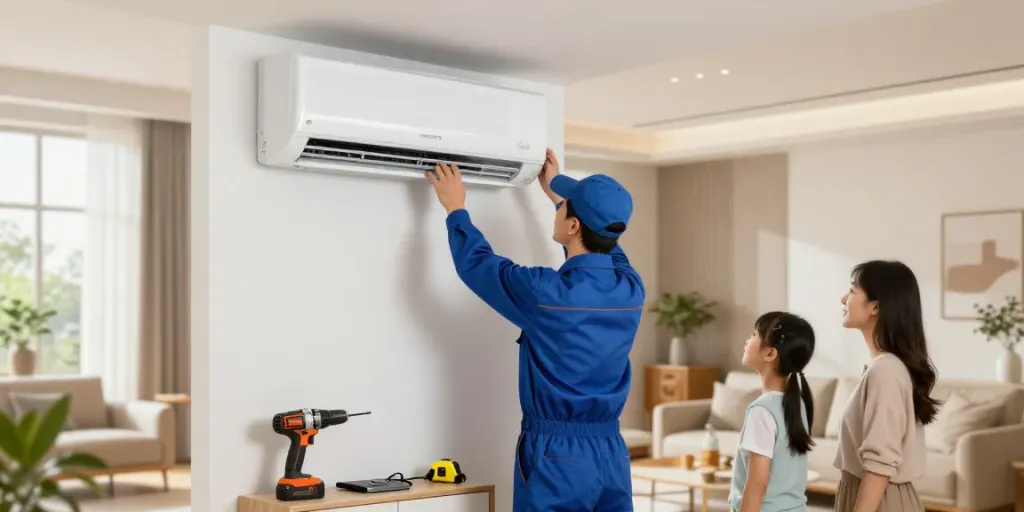
- Mount the indoor unit: Use a mounting template to secure the unit on the wall.
- Install the outdoor unit: Position it per the manufacturer’s guidelines, ensuring it is level and well-ventilated.
- Connect the refrigerant lines: Run insulated lines between the indoor and outdoor units, avoiding kinks or sharp bends.
- Connect electrical components: Ensure that power is properly connected, following local codes and regulations.
- Test the system: Once installed, turn on the system to check for any leaks and ensure it operates correctly.
Future Trends in Ductless Air Conditioning
Emerging technologies in ductless systems
The ductless air conditioning market is evolving, with manufacturers continuously integrating new technologies to enhance efficiency and user experience. Some emerging trends include smart control systems that allow users to manage their units via mobile applications, automatic adjustments based on occupancy and weather conditions, and improved energy storage solutions that utilize renewable energy for enhanced sustainability.
Predictions for 2026 and beyond
Looking towards 2026, the demand for ductless systems is anticipated to grow, driven by environmental concerns and rising energy costs. Innovations in refrigerants aimed at reducing environmental impact, along with advancements in energy efficiency, are expected to shape the future of ductless systems. As more consumers prioritize eco-friendly solutions, the market for these systems will likely expand, providing a wide range of options for users.
Impact of consumer preferences on ductless designs
Consumer preferences are increasingly leaning towards customizable and energy-efficient solutions. Manufacturers are responding by designing units that blend seamlessly with modern interiors and offer a variety of colors and finishes. Furthermore, the demand for quieter systems is prompting manufacturers to innovate in noise reduction technologies, ensuring that comfort and aesthetics go hand-in-hand with functionality.
Are ductless air conditioners any good?
Many users appreciate ductless air conditioners for their efficiency, versatility, and improved air quality. They are particularly valuable in multi-zone homes where personalized temperature control is essential. Customer reviews often highlight their quiet operation and minimal maintenance requirements, making them a popular choice among homeowners.
How much does it cost to install a ductless AC unit?
The cost of installing a ductless air conditioning unit can vary significantly based on factors such as the size of the unit, the complexity of the installation, and local labor rates. On average, homeowners can expect to pay between $3,000 and $5,000 for a complete installation, including equipment and labor. It’s advisable to obtain multiple quotes to find the best deal while considering the quality of work.
What are the downsides of a mini split AC system?
While ductless mini-split systems have many advantages, some potential downsides include the higher initial cost compared to window AC units and the aesthetic impact of the indoor units. Depending on the size of the space, users may need multiple units to achieve an optimal climate, which can increase costs. Additionally, homeowners must commit to regular maintenance to ensure the systems operate efficiently.
Is it cheaper to run a mini split or central AC?
Generally, ductless mini-split systems can be cheaper to run than central air conditioning due to their energy-efficient operation and zoning capabilities. By cooling only the areas in use, homeowners can reduce their energy consumption significantly. However, the specific cost comparison will depend on the efficiency of the individual systems and the local energy rates.
Best ductless air conditioner for small spaces?
When selecting a ductless air conditioner for small spaces, it’s vital to consider the system's BTU (British Thermal Units) rating, which indicates its cooling capacity. Units with ratings between 6,000 to 12,000 BTUs are generally ideal for small areas, such as bedrooms or home offices. Additionally, look for models with advanced features, such as inverter technology and smart controls, to maximize efficiency and comfort.