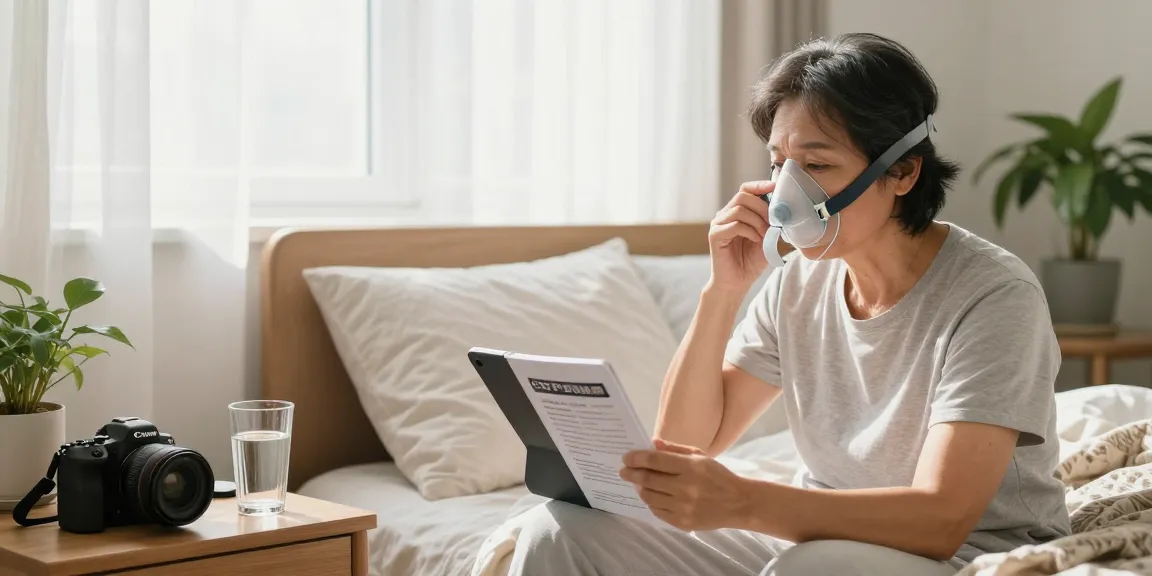
Understanding CPAP Masks and Their Importance
Continuous Positive Airway Pressure (CPAP) masks play a crucial role in the management of sleep apnea, a condition where breathing repeatedly stops and starts during sleep. These medical devices are designed to deliver a steady stream of air that keeps the airways open, significantly improving sleep quality and overall health for individuals who struggle with this condition. When exploring options, cpap mask buy provides comprehensive insights into various products that can help ensure restful nights and energized days.
What is a CPAP Mask?
A CPAP mask is a device that helps individuals diagnosed with obstructive sleep apnea (OSA) breathe more easily during sleep. It is typically worn over the nose and mouth and is connected by a tube to a CPAP machine that generates a continuous flow of air. This air pressure is calibrated based on individual needs, making it a personalized treatment for better sleep.
How CPAP Masks Improve Sleep Quality
By maintaining an open airway, CPAP masks reduce the frequency of apnea events, allowing for uninterrupted sleep cycles. This leads to several benefits, including:
- Increased daytime alertness
- Improved cardiovascular health
- Enhanced mood and cognitive function
- Decreased risk of associated conditions such as hypertension and diabetes
Overall, CPAP therapy can enhance the patient's quality of life, making the choice of the right mask a significant concern.
Common Types of CPAP Masks
CPAP masks are available in three main styles:
- Nasal masks: Cover only the nose and are often preferred for their unobtrusive design.
- Full-face masks: Cover both the nose and mouth, making them ideal for people who breathe through their mouth during sleep.
- Nasal pillows: Sit at the entrance of the nostrils and provide a less invasive option for those who dislike the feeling of wearing a mask.
Choosing the right type is essential for compliance and comfort.
Top Factors to Consider When Buying a CPAP Mask
Comfort and Fit: Why They Matter
Comfort and fit are paramount when selecting a CPAP mask. A well-fitted mask ensures a proper seal, preventing air leaks and promoting effective therapy. Poor fit can lead to discomfort, skin irritation, and an overall negative experience with CPAP therapy. Many users benefit from getting their mask fitted and adjusted by a certified professional.
Choosing the Right Size and Style
CPAP masks come in various sizes and styles, making it important to find a mask that matches your individual needs. Many manufacturers offer sizing guides that can help in selecting the correct mask. Trying different styles, such as nasal versus full-face, can also help in finding the most comfortable option for restful sleep.
Material Considerations for Sensitive Skin
Individuals with sensitive skin should consider the material of the CPAP mask. Masks made of hypoallergenic materials can reduce the risk of skin irritations. Additionally, it is essential to ensure that the mask is designed for easy cleaning and maintenance to uphold hygiene standards.
Where to Buy CPAP Masks: Best Options for 2026
Online Retailers vs. Local Providers
When deciding where to buy a CPAP mask, one can choose between local medical supply stores and online retailers. Local providers may offer personalized fitting services, while online retailers often have a broader selection and competitive pricing. Both options have their pros and cons, so assessing individual needs and preferences is crucial.
Comparative Pricing and Availability
It's essential to compare prices across different platforms. Online prices can vary significantly, and ongoing promotions may yield substantial savings. Some retailers also offer subscription services that ensure regular replacement of masks and supplies, which can be an economical option for long-term users.
Understanding Insurance Coverage
Insurance coverage for CPAP masks and therapy varies by provider. Many insurance plans cover a portion of the costs, but understanding the specifics of one's coverage is key to avoiding unexpected expenses. Consulting with both the insurance company and the CPAP provider can clarify what is covered under a specific plan.
Best Practices for Using Your CPAP Mask
Daily Maintenance and Cleaning Tips
To ensure the longevity and effectiveness of your CPAP mask, regular cleaning is essential. Daily cleaning with mild soap and water is recommended, along with replacing disposable parts as instructed by the manufacturer. A clean mask helps prevent skin irritation and reduces the risk of infections.
How to Adjust Your CPAP Settings
Adjusting CPAP settings is critical for comfort and effectiveness. Most modern CPAP machines allow users to adjust pressure levels. It is advisable to consult with a healthcare provider before making significant changes to ensure the adjustments align with therapy goals.
Signs You May Need a New Mask
Common signs indicating that a CPAP mask needs to be replaced include:
- Visible wear and tear, such as cracks or tears
- A decline in the quality of the seal
- Increased discomfort during sleep
- Frequent air leaks
Typically, masks should be replaced every 6 to 12 months based on the manufacturer's recommendations and personal usage.
Future Trends in CPAP Technology
Innovative Features to Look For in 2026
As technology evolves, CPAP masks are becoming increasingly sophisticated. Future models are expected to integrate advanced features such as:
- Smart sensors that automatically adjust pressure based on breathing patterns
- Comfort-enhancing materials that adapt to different face shapes
- Wireless connectivity for easier tracking and management of therapy
These innovations aim to enhance user experience and compliance with CPAP therapy.
Predictions for Sleep Therapy Advancements
The future of sleep therapy is moving towards personalized medicine. Future advancements may include customized masks tailored to individual facial features and sleep needs. Additionally, wearable technology may provide real-time feedback, fostering a deeper understanding of sleep patterns and therapy effectiveness.
Expert Insights on Mask Development
Industry experts predict that new materials and designs will continue to emerge, focusing on reducing bulk while maximizing efficacy. The development of quieter, more aesthetically pleasing masks could also help in improving patient compliance and overall experience. Overall, the goal is to make CPAP therapy as seamless and comfortable as possible.
What is a CPAP mask and how does it work?
A CPAP mask is a key component of sleep apnea treatment, delivering air through a tube connected to a CPAP machine. Its primary function is to keep airways open, preventing breathing interruptions during sleep.
Can I use my CPAP mask without a prescription?
In most cases, a prescription is necessary to obtain a CPAP machine and specific settings. However, masks alone may sometimes be purchased without a prescription. It's best to consult a healthcare provider for guidance.
How often should I replace my CPAP mask?
Generally, CPAP masks should be replaced every 6 to 12 months, but it can vary based on usage and the manufacturer's guidelines. Regularly assessing the condition of the mask is vital for effective therapy.
Are there alternatives to CPAP masks?
Yes, alternatives such as oral appliances and positional therapy devices exist. These options are designed for patients who find CPAP uncomfortable or ineffective. Consulting with a healthcare provider can help determine the best alternative based on individual needs.
What should I do if my CPAP mask is uncomfortable?
If discomfort arises, it is crucial to assess the fit and make necessary adjustments. Trying a different mask style or consulting with a professional for a fitting can improve comfort significantly. Additionally, using mask pads designed to enhance comfort may be beneficial.